For homeowners exploring window replacement Tigard, OR, the most useful starting point is understanding how each room feels and functions. A chilly reading corner, a difficult latch, or an uneven indoor temperature can help define your priorities. Thoughtful planning connects those observations with window choices that suit your home, your routines, and the way you want to use each space.
Recognize the Patterns Behind Everyday Discomfort
Begin with a room-by-room look at your existing windows. Patterns are more useful than one uncomfortable afternoon because they show where a closer assessment may help.
Notice When and Where Drafts Occur
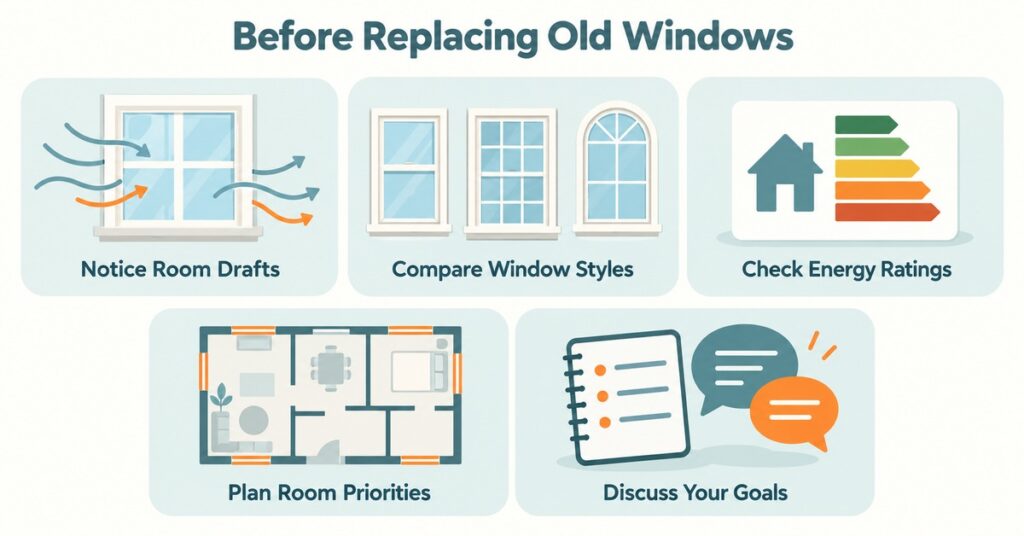
Record whether moving air is most noticeable near a frame, beside an operable sash, or throughout the room. Note the outdoor conditions and time of day when discomfort appears. These observations help distinguish a recurring window concern from a broader temperature imbalance that deserves attention during a consultation.
Look Beyond the Age of the Window
Age provides context, but it does not explain every performance concern. Consider whether a window closes evenly, whether the latch engages comfortably, and whether visibility remains clear. Avoid forcing a sash that resists movement; describe the difficulty so the condition can be assessed alongside your replacement goals.
Separate Moisture Clues From Assumptions
Moisture on an indoor surface and persistent fogging between panes are different observations. Surface moisture can relate to indoor humidity and the temperature of the pane, while moisture between panes may indicate a sealed-unit concern. Photograph what you see and identify its location rather than assuming that every moisture mark has the same cause.
Choose Windows Around the Way Each Room Works
Window shape and movement affect daily use as well as appearance. Start with the activities that happen near each opening, then compare designs that fit those needs.
Balance Views With Fresh Air
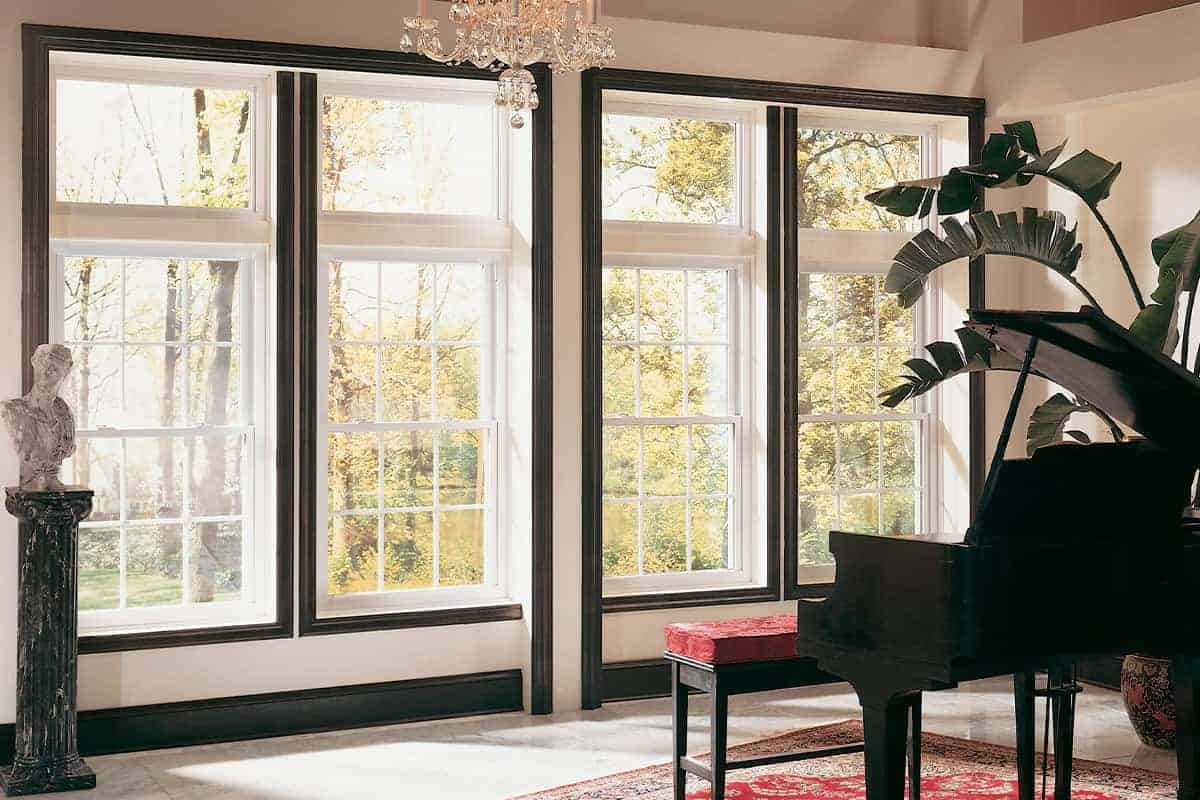
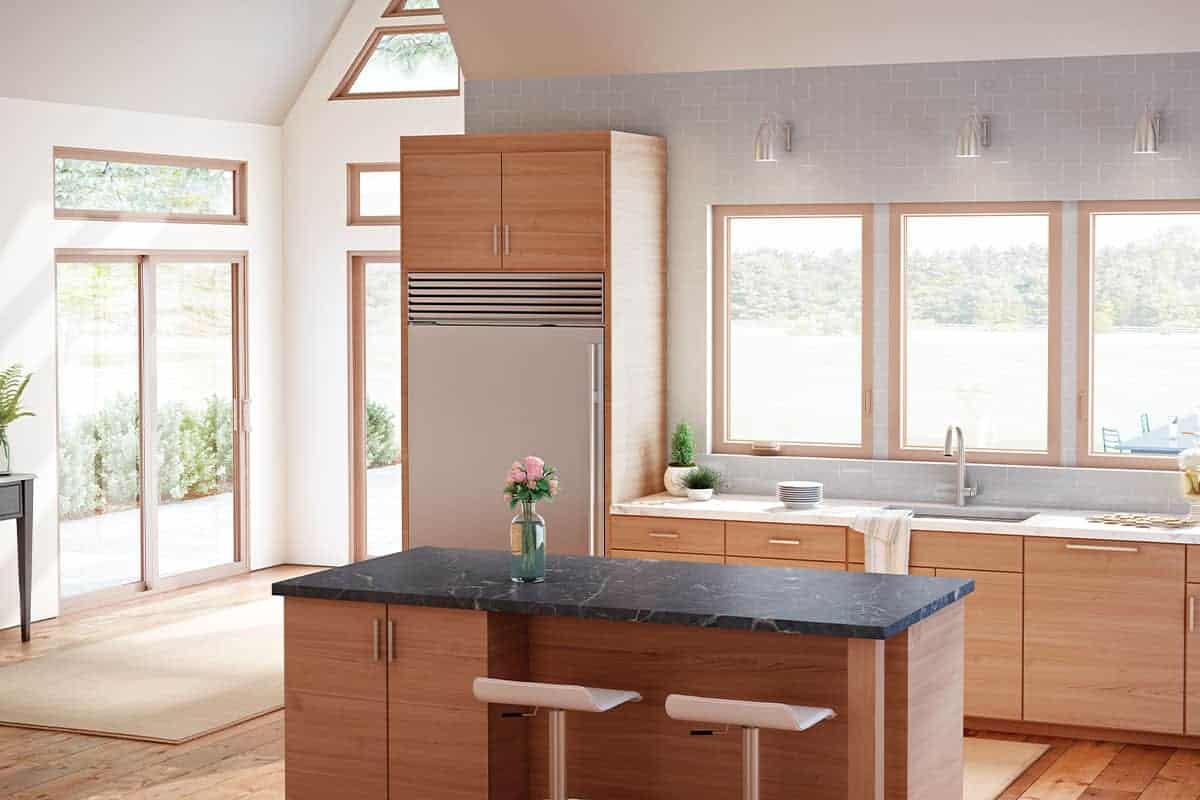
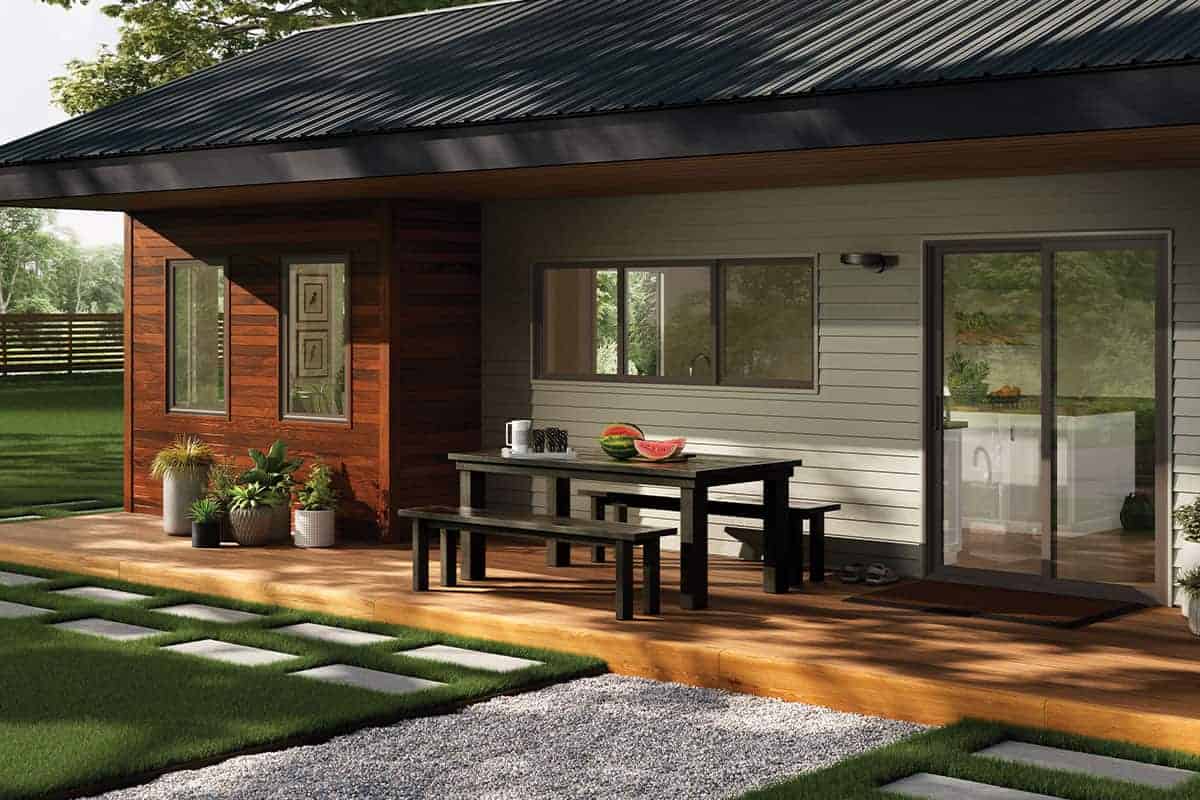
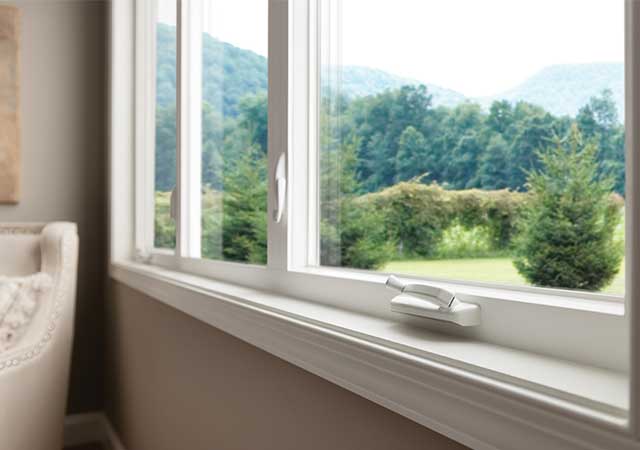
A fixed picture window can emphasize daylight and an outdoor view, while an operable design allows ventilation. Casement windows open outward with a crank, and horizontal sliders move from side to side. Reviewing window styles that balance daylight and airflow can help you connect these differences with a kitchen, bedroom, or shared living area without choosing every opening the same way.
Think About Reach and Clearance
Imagine opening and closing the window from its usual position. A deep counter, furniture arrangement, or outdoor walkway can influence how comfortable a particular design feels. Check both the movement of the sash and access to the handle so your choice supports everyday use rather than only a pleasing photograph.
Keep the Whole Home Visually Consistent
Compare frame color, sightlines, and the arrangement of visible dividers across neighboring windows. Consistency does not require identical operating styles in every room. A shared visual language can preserve the character of the home while letting individual openings meet different needs for ventilation, daylight, and outward views.
Compare Performance With Clear Priorities
Product details are easier to evaluate when you have a few practical goals. Bring your observations into the discussion so the comparison stays connected to the rooms you use most.
Make a Short Household Checklist
Use these priorities to guide the conversation about suitable options:
- More comfortable seating near frequently used windows.
- Smooth opening and closing within easy reach.
- Daylight that suits each room’s activities.
- Frame details that complement the home.
Ask About Whole-Window Ratings
The National Fenestration Rating Council provides independent performance ratings that help homeowners compare products. U-factor describes heat transfer, with a lower value indicating less heat transfer. Visible transmittance describes how much visible light passes through a product; compare ratings for the actual configuration being considered rather than assuming every size or design performs identically.
Consider the Frame Alongside the Pane
The frame and the glazed area work together as a complete window. Ask which frame options are available for your preferred design and how their characteristics affect your goals for upkeep and appearance. Insulated panes and low-emissivity coatings can improve thermal performance, but the complete product specification matters more than any single feature name.
Connect Your Observations With Useful Questions
An organized comparison helps you explain what you want to change. Keep the discussion specific to the room and the condition you have actually noticed.
The table pairs common observations with questions to bring to a replacement consultation.
| Observation | Detail to Record | Question to Ask |
|---|---|---|
| Chilly seating area | Room and time of day | Which features support comfort here? |
| Difficult operation | Handle reach and sash movement | Which style is easier to use? |
| Limited daylight | Room activity and window position | How will the design affect light? |
| Persistent fogging | Surface or between panes | What does this condition suggest? |
Compare Seasonal Experiences
Consider both cool-weather comfort and how the same room feels during warmer afternoons. A home can have different priorities on different sides, so avoid treating one room as a model for every opening. Thinking through how window replacement supports comfort across seasons can help you explain the indoor experience you want, while leaving room for recommendations based on the actual home.
Prepare for a Focused Replacement Conversation
Good preparation makes a consultation more productive. You do not need to arrive with a final product selection; a clear description of your priorities gives the discussion a practical starting point.
Organize Your Notes Before the Appointment
- Identify the rooms where window concerns affect daily routines.
- Photograph each opening and any recurring visible condition.
- Describe your preferences for airflow, daylight, and appearance.
- Bring questions about specifications and the proposed project scope.
Use Measurements as a Starting Point
Rough measurements can help you organize your notes, but they should not become the basis for ordering a product. Window openings and product dimensions need careful confirmation. Record approximate width and height only if you can do so safely, and let the consultation establish the details needed for a suitable recommendation.
Decide What Matters Most to Your Household
When several concerns compete for attention, identify the changes that would make the biggest difference to everyday life. A frequently used bedroom or gathering space may deserve attention before a rarely occupied room. Discuss whether a phased approach fits your goals, while asking how choices made in one stage will coordinate with later decisions.
Keep Expectations Specific and Realistic
Replacement windows can contribute to indoor comfort, but a home’s overall performance also depends on its walls, roof, heating and cooling equipment, and household routines. Ask what the proposed windows are intended to improve and how their specifications address your observations. Clear expectations make it easier to evaluate recommendations without relying on guaranteed outcomes.
Frequently Asked Questions
Does a Draft Automatically Mean I Need New Windows?
No. A draft is an observation that deserves assessment, rather than a complete diagnosis. Record where it occurs and discuss the window’s condition and your goals before deciding whether replacement is appropriate.
Should Every Room Use the Same Window Style?
No. Different rooms may benefit from different operating designs. Coordinate the visible details across your home while choosing movement, ventilation, and handle access that suit each space.
What Should I Bring to a Consultation?
Bring photographs, notes about recurring concerns, and your priorities for comfort, daylight, and appearance. Questions about product specifications and the proposed scope help keep the conversation focused on your home.
Plan Your Next Step With Confidence
If you are considering window replacement Tigard, OR, Advanced Energy Services can help you discuss suitable options for your home. Bring your room notes and arrange a conversation about your window replacement goals. Call (503) 563-6866 to share your priorities and take the next step toward more comfortable living spaces.