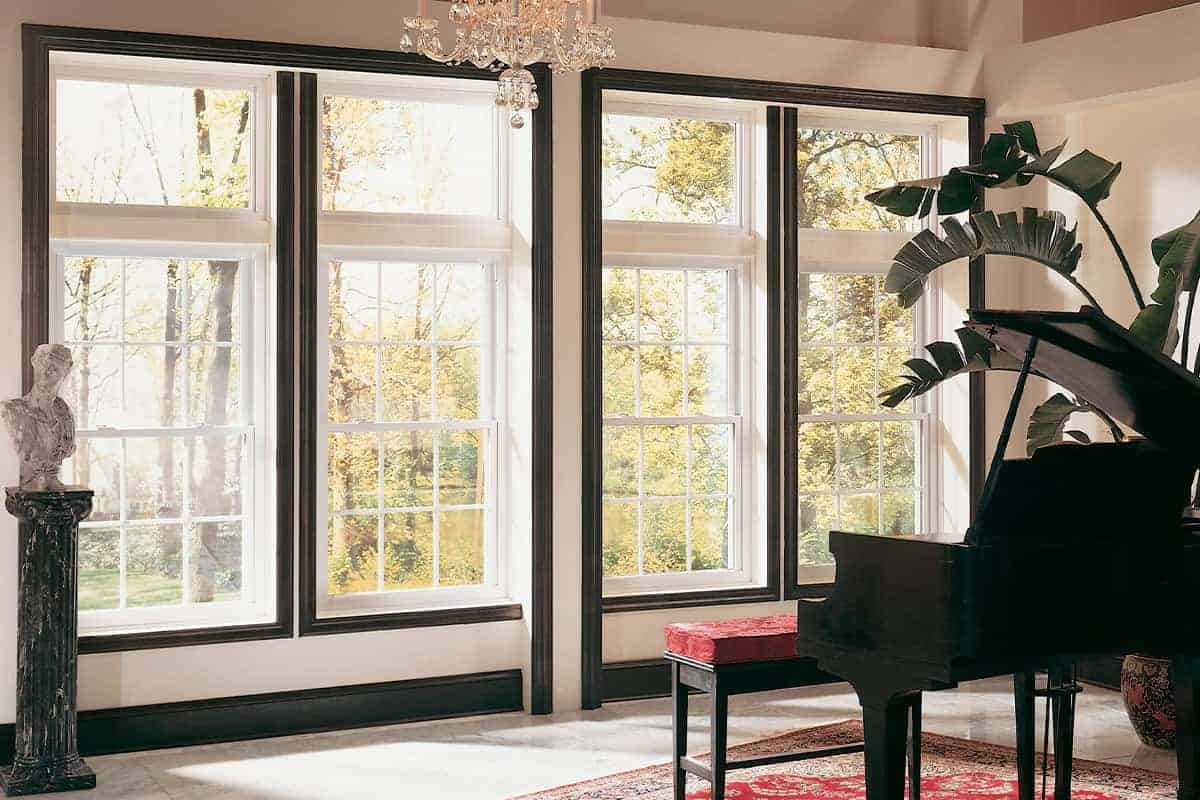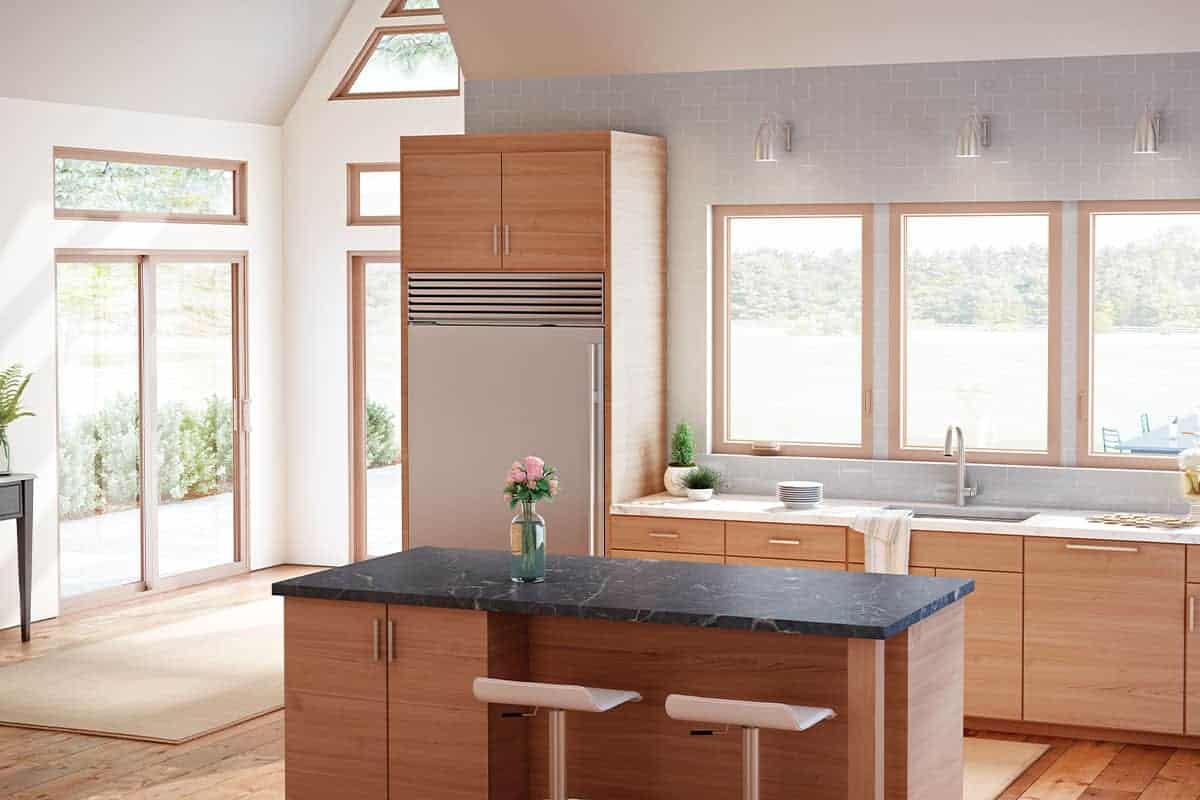
Everyday comfort often comes into focus when a favorite chair feels chilly or an afternoon workspace grows warm. For homeowners considering window replacement Tualatin, OR, frame materials deserve attention alongside the complete window design. Understanding how frames influence heat movement, structural stability, and usable daylight can help you compare options with your household’s daily routines in mind.
Why Frames Matter Beyond Appearance
A window frame surrounds the view, but its role reaches beyond the room’s appearance. Its material and construction contribute to the performance of the entire window, making frame selection a practical comfort decision.
Heat Movement Around the Window
Thermal resistance describes how well a material slows heat flow. The frame contributes to this resistance, while the glazing, spacers, and seals also influence the result. A material name alone cannot tell you how comfortable a finished window will feel. Compare ratings for the complete product and the configuration you are actually considering.
Comfort near seating is a useful way to think about this performance. A room can reach the thermostat setting while someone beside a cool window still feels uncomfortable. When evaluating a reading corner or dining area, explain where people sit and when discomfort occurs. Those details give the product discussion a clear purpose.
What Fiberglass Frames Bring to the Discussion
Fiberglass is one frame material worth examining when stability and thermal performance are priorities. Its benefits become more useful when you connect them to the specifications of a particular window.
Stability Through Changing Temperatures
Dimensional stability means a material maintains its shape relatively well as conditions change. Fiberglass frames offer this characteristic, which makes them relevant to a discussion of frame geometry and dependable operation. This does not mean every fiberglass window performs identically. Frame construction, window size, and the complete design still need individual consideration.
Product-specific choices make comparisons more concrete. The window options available for local homes include the Ultra C650 series, which Milgard identifies as having fiberglass frames inside and out. Ask about the current configurations and finishes available for your opening rather than assuming every display sample represents the same performance.
Frame Profiles and the View
Visible frame width affects how the window looks from a sofa, desk, or kitchen table. Compare the actual profile and visible glazed area at the same overall opening size. A close-up sample helps you judge the finish, while a larger display makes it easier to understand the view. Neither appearance alone nor a slimmer profile establishes thermal performance.
Connect Material Choices With Each Room
The most useful comparison starts with how you use your home. A bedroom, a busy gathering space, and a quiet workspace may have different comfort priorities even when their windows look similar.
Notice Where Comfort Changes
Room observations help you describe those priorities without guessing at a cause. Write down what you experience over several days, including the time and outdoor conditions. Useful notes might include:
- A favorite chair feels cooler on winter mornings.
- An afternoon workspace becomes noticeably warmer.
- A room needs useful daylight throughout the day.
- A frequently used window should open comfortably.
Temperature patterns also deserve a whole-room perspective. Window performance interacts with heating, cooling, insulation, and sun exposure, so a frame change cannot guarantee identical temperatures everywhere. Understanding how replacement windows support balanced indoor temperatures can help you connect product questions with the places your family uses most.
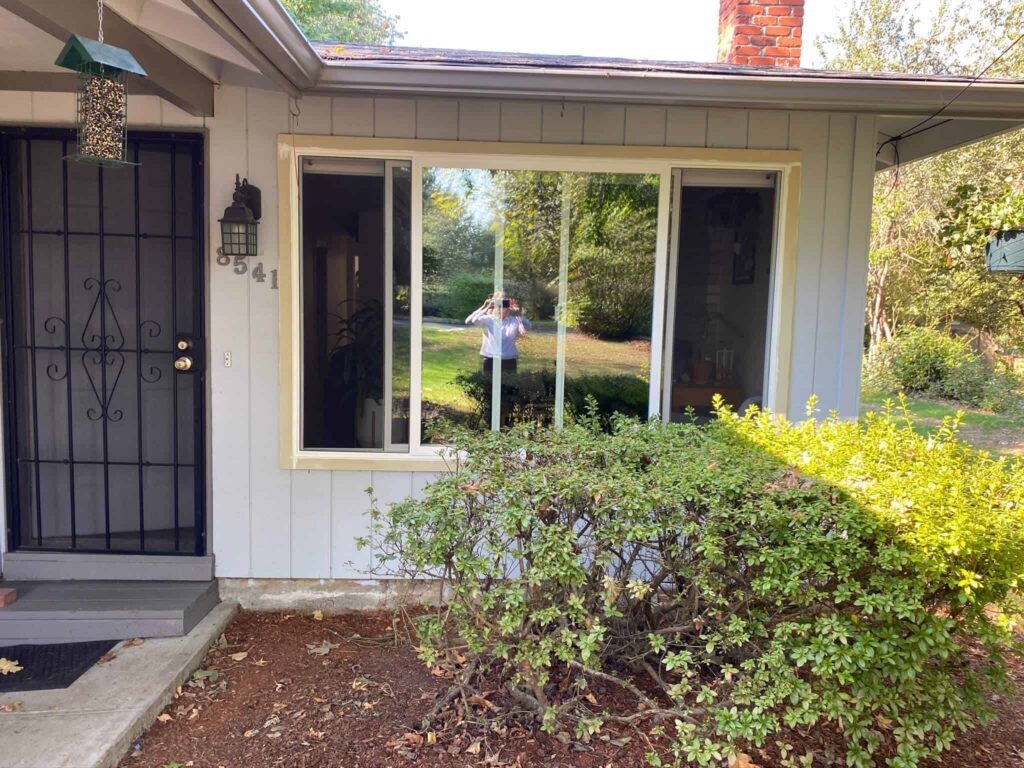
Compare Features That Influence Daily Comfort
Use these comparison points to connect frame characteristics and complete-window information with everyday room use. The table separates questions that are often grouped together during a product discussion.
| Comparison Point | Comfort Connection | Useful Question |
|---|---|---|
| Frame material | Contributes to thermal resistance | What does this frame design contribute? |
| Frame stability | Supports consistent frame geometry | How does the material respond to temperature changes? |
| Whole-window U-factor | Indicates overall heat transfer | What is the rating for this configuration? |
| Visible glazed area | Shapes the view and available daylight | How much clear area fits this opening? |
Read Whole-Window Information Carefully
Independent product ratings provide a more consistent comparison than broad material claims. Keep the window size, operating style, and glazing package in view when reviewing the information.
Start With the U-Factor
Whole-window U-factor describes how readily heat passes through the product. A lower number indicates less heat transfer under the rating conditions. Ask for the rating that applies to the complete window being proposed. A value quoted for one component or a different configuration may not describe your selection.
Balance Daylight With Sun Exposure
Visible transmittance indicates how much visible light passes through the window. Review it alongside the room’s exposure and the glazing options, especially where daylight supports reading or desk work. The frame outlines the view, but the glazing also affects light and heat. Consider these features together before deciding what best suits the space.
Prepare for a Useful Window Conversation
Comparable samples make a showroom visit more useful. If you are weighing two frame profiles, view them from a similar distance and against a similar background. Look at the interior finish in daylight as well as room lighting. Take notes about what you prefer, then return to the performance information before narrowing your choices.
Opening style belongs in the same conversation as frame material. Think about whether you want a fixed view or a window that opens, and describe how often you expect to use it. Ask to try the operating display when one is available. A clear understanding of daily use helps you evaluate a product beyond its appearance in a photograph.
Written specifications help you remember what was discussed after the appointment. Request the frame material, product series, operating style, finish, and relevant ratings together. If something changes during the selection process, check that the updated information still matches your priorities. Keeping a consistent record makes the final comparison easier for everyone in the household.
A little preparation helps translate daily observations into specific questions. Bring a short description of your rooms so the conversation can focus on comfort, practical use, and suitable product choices.
Bring Details From Your Home
A simple comparison process keeps the discussion manageable. Use the same questions for each option so attractive finishes do not overshadow the performance details that matter to you.
- Identify the rooms where comfort matters most.
- Record the time and conditions of noticeable temperature changes.
- Compare frame samples with complete-window ratings.
- Confirm the proposed configuration and ask remaining questions.
Personal priorities are easier to communicate when you describe an actual routine. Explain where you enjoy morning coffee, which room becomes a workspace, or when a bedroom needs a steadier feel. You can discuss your home’s window goals with the team using those examples and request guidance on the options relevant to your home.
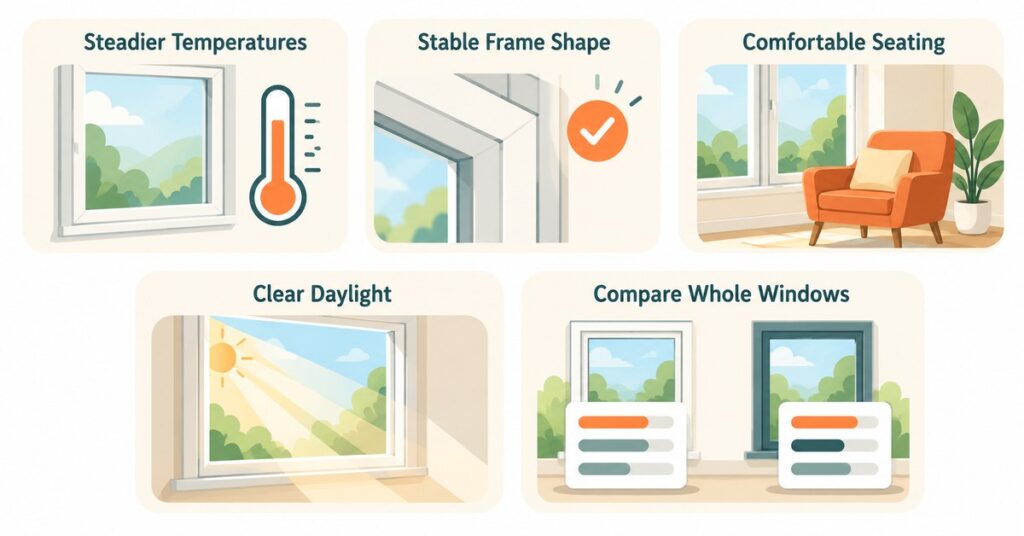
Frequently Asked Questions
Does Frame Material Alone Determine Comfort?
No. The frame works with glazing, spacers, seals, and the operating design. Compare complete-window ratings and consider how the room is used. Similar-looking products can have different performance specifications.
Are Fiberglass Frames Worth Comparing?
Fiberglass frames are worth discussing when dimensional stability and thermal performance matter to your selection. Ask for the exact product specifications and available configurations so the comparison reflects your opening and priorities.
What Should I Bring to a Consultation?
Bring room photographs, a description of your daily routines, and notes about temperature patterns. Include questions about frame profiles, daylight, and product ratings. These details help connect your observations with a more focused discussion.
Discuss Comfort Goals for Your Home
For thoughtful guidance on window replacement Tualatin, OR, contact Advanced Energy Services at (503) 563-6866. Share your room-by-room comfort priorities and ask about fiberglass frames, available Milgard options, and complete-window performance. A personal consultation can help you understand the choices and identify a practical next step for your home.