Window replacement Beaverton, OR can make a dim room noticeably brighter when the plan focuses on glass area, opening location, and the path daylight takes after it enters. A larger window is often helpful, but it is not the only answer. Wall framing, the direction the room faces, and nearby shade all affect what is practical and worthwhile.
Which Window Replacement Changes Can Bring More Natural Light into a Room?
The most direct daylight gains usually come from larger glazed areas, strategically placed openings, or a new layout that captures the light already available around the home. “Glazed area” simply means the visible glass, not the full window frame. A window with a bulky frame may have the same overall size as another unit while admitting less daylight.
Before changing the opening, look at why the room is dark. A narrow window on a shaded wall calls for a different solution than a room where light enters but stops at a hallway wall or dark furnishings. Structural conditions can limit how far an opening can expand, and the home’s orientation determines whether the added glass will bring soft, steady light or harsh afternoon sun.
If your main concern is balancing daylight with fresh air, this guide on how window replacement improves light and air flow at home explains how those goals can work together.
Should You Choose Larger Windows, More Windows, or a Different Window Style?
- Expanded Openings: Enlarging an existing opening can bring a stronger, more concentrated source of daylight into the room. It often makes sense when one wall has a clear view and reliable sun exposure, but the wall construction must support the change.
- Additional Windows: A second opening can spread light more evenly and reduce the deep shadows that occur when daylight enters from only one direction. This approach is useful in long rooms, corner rooms, or spaces divided by interior walls.
- Picture Windows: These fixed windows have broad glass areas and work well where the priority is light and view rather than airflow. They are often paired with operable windows elsewhere in the room.
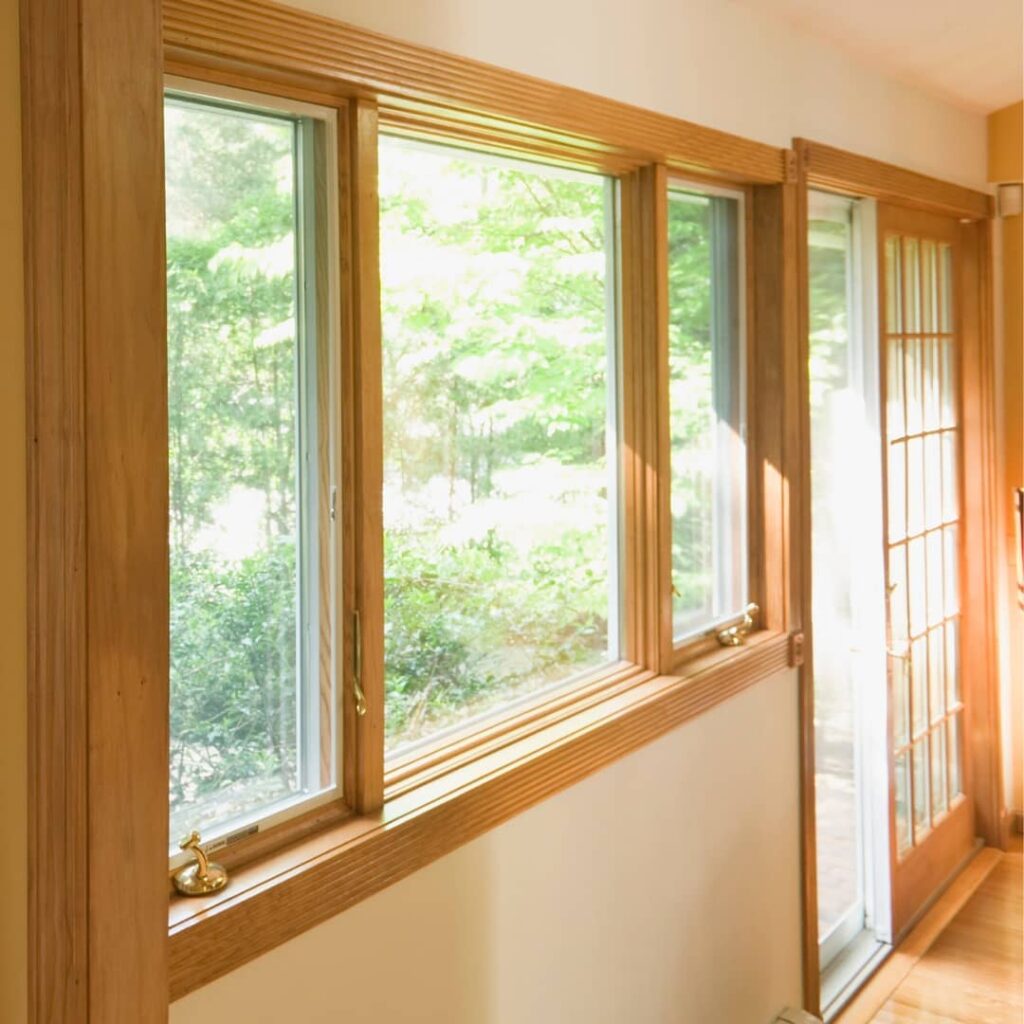
- Casement Windows: Hinged casements can provide useful ventilation while still offering generous glass area. They are a strong fit when you want daylight without giving up the ability to direct incoming air.
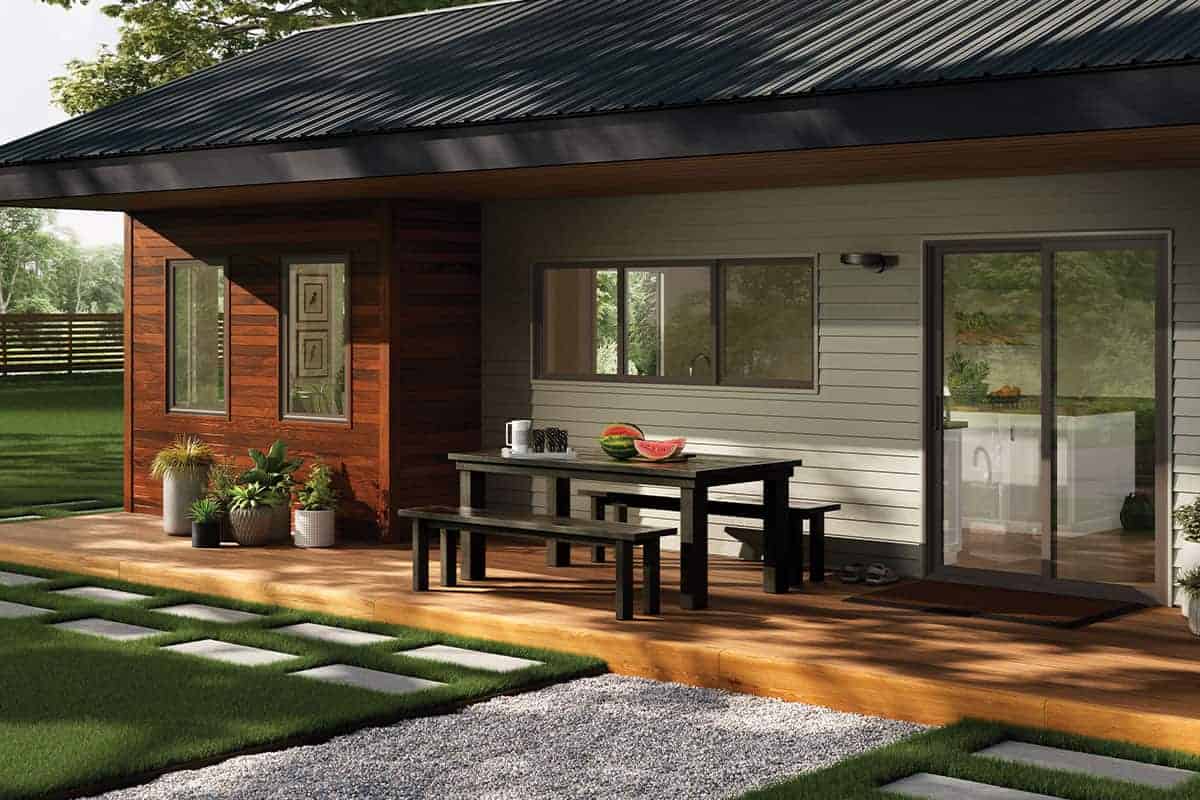
- Sliding Windows: Sliders suit locations where an outward-swinging sash would interfere with a walkway or patio area. Their center meeting rail divides the view, so they may not provide the same uninterrupted glass area as a picture window.
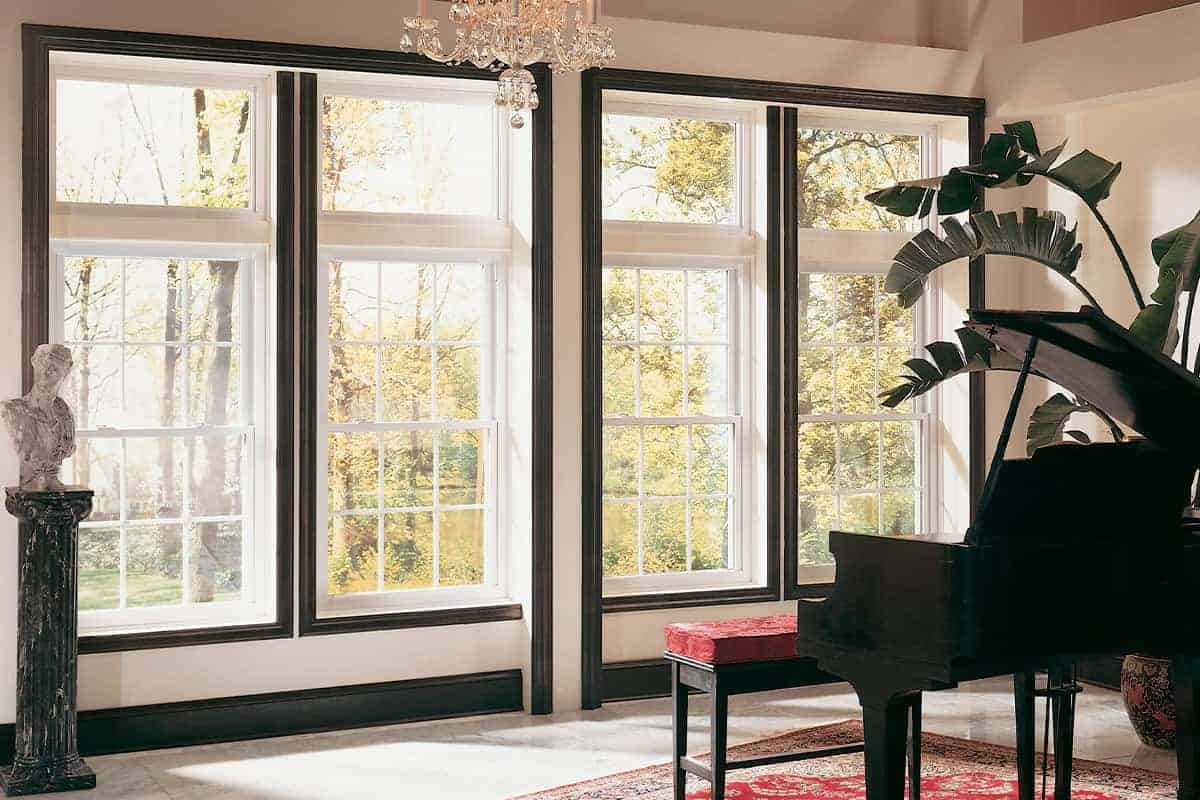
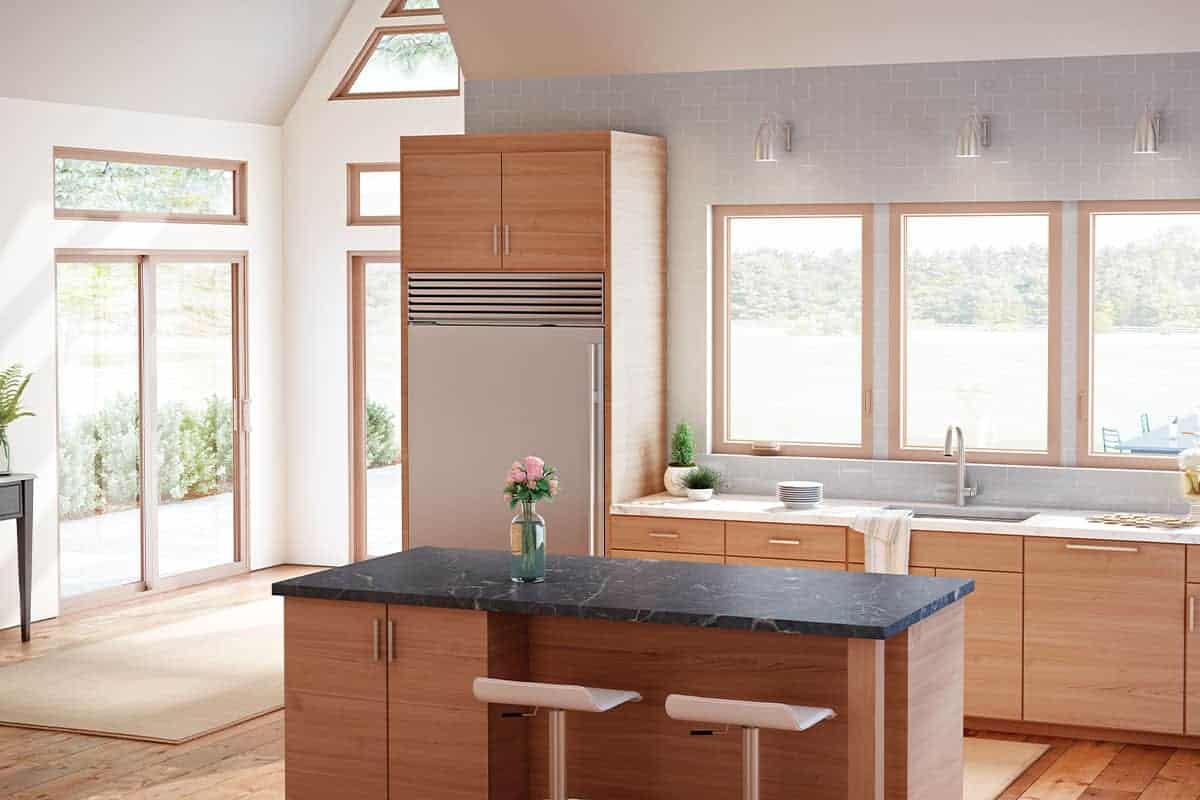
- Transom Configurations: A transom is a narrow window placed above another window or door. It can bring light higher into the room, where it reaches ceilings and upper walls instead of stopping at furniture height.
How Does Window Placement Affect Daylight Throughout the Day?
A room’s wall location matters as much as window size. East-facing openings receive morning light, while west-facing openings receive stronger late-day light that may create glare. South-facing walls can provide more consistent daylight, and north-facing openings tend to offer softer, lower-contrast light.
Trees, neighboring structures, porch roofs, and deep roof overhangs can change that pattern dramatically. Landscaping that has matured since the original windows were installed may now block a meaningful portion of the available daylight. A planning visit should account for these conditions rather than treating the opening as an isolated feature.
Ignoring shade patterns can lead to the wrong result. A larger window on the hottest or most obstructed wall may make the room uncomfortable without solving the dimness deeper inside, leaving you with more glare and little useful light.
Can Energy-Efficient Glass Still Let in Plenty of Light?
Yes, but glass selection affects how bright a room feels. Visible transmittance refers to how much visible light passes through the glass. Other glass characteristics influence solar heat gain, glare control, privacy, and comfort near the window.
The best choice depends on the room and its exposure. A sunny family room may need a different balance than a shaded office or a bedroom facing a close neighbor. Ask a qualified provider to explain how available glass selections affect daylight and heat, rather than choosing based on appearance alone.
What Design Details Help Natural Light Travel Farther Inside?
- Open Sightlines: Doorways, half walls, and tall furniture can stop daylight near the window. A clearer path lets it reach adjacent areas.
- Lighter Wall And Ceiling Finishes: Pale, low-sheen surfaces reflect more daylight into the room than deep, matte finishes.
- Reflective Surfaces: Mirrors, light-toned counters, and modestly reflective flooring can redirect light without creating a harsh glare point.
- Window Treatments: Choose treatments that can open fully or stack tightly beside the glass. Heavy coverings that remain over the window reduce the benefit of a daylight-focused replacement.
- Furniture Placement: Keep tall bookcases, armoires, and large sectional backs away from the strongest light source when possible. They can turn a brighter window into a bright corner instead of a brighter room.
What Should You Discuss Before Scheduling Window Replacement?
- Identify the dim rooms and the real goal. Decide whether you need more daylight, better ventilation, less glare, a clearer view, or a combination of these needs.
- Photograph the room at different times. Morning, midday, and late afternoon photos reveal when shadows, glare, and nearby obstacles are most noticeable.
- Note comfort and privacy concerns. Mark where direct sun overheats a seating area, where screen glare occurs, and which windows need more privacy.
- Review the surroundings. Include rooflines, mature trees, patio covers, neighboring buildings, and the available wall space around each opening.
- Discuss the right approach with a qualified provider. Bring your photos and goals to the conversation. Advanced Energy Services can help you compare daylight-focused window configurations and determine what fits the room’s construction and daily use.
For thoughtful window replacement Beaverton, OR homeowners can use to brighten specific rooms without overlooking comfort or privacy, speak with Advanced Energy Services at (503) 563-6866. Contact us for personalized window replacement guidance and explore options that fit your home’s lighting, comfort, and privacy needs.