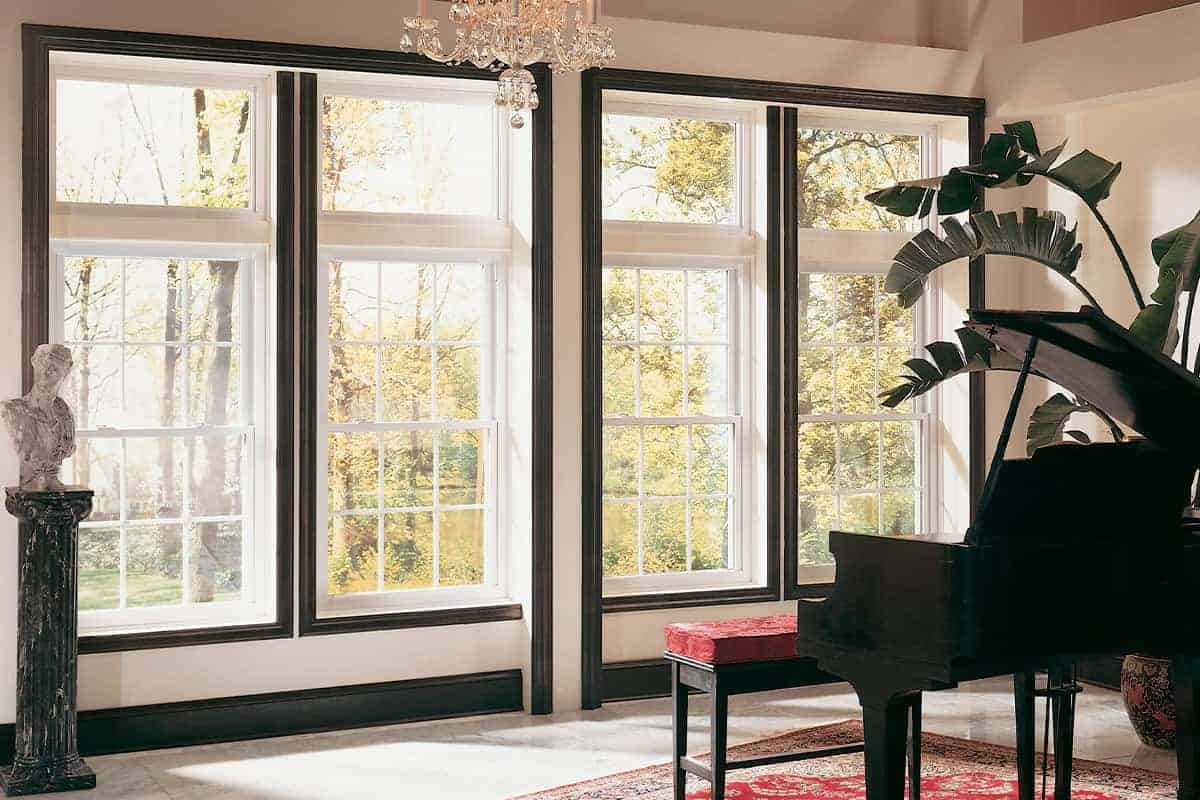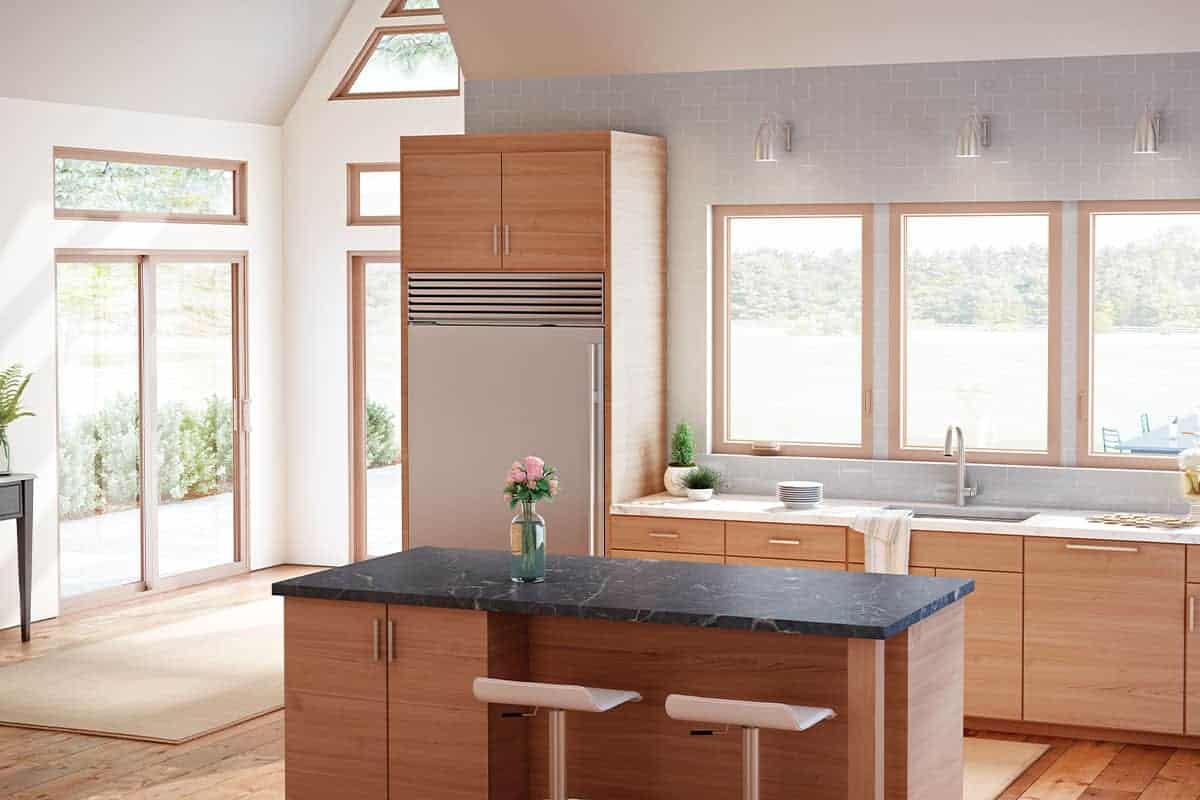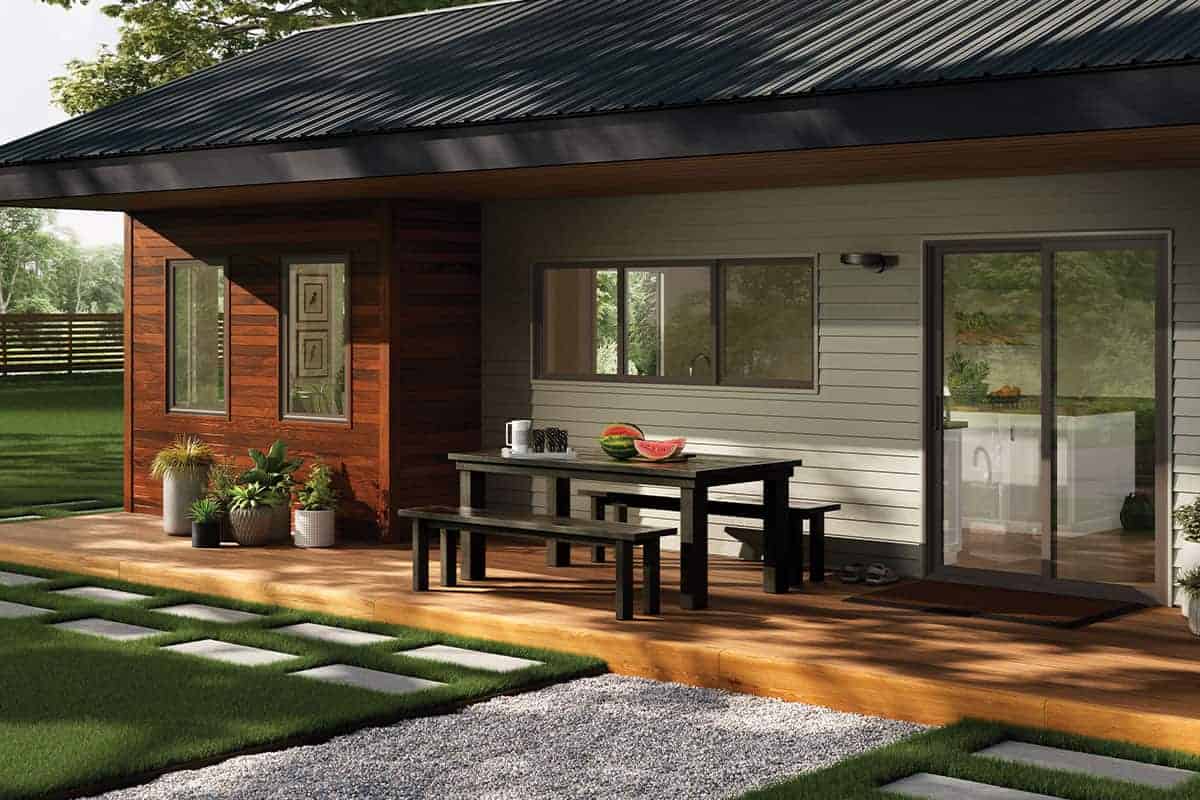
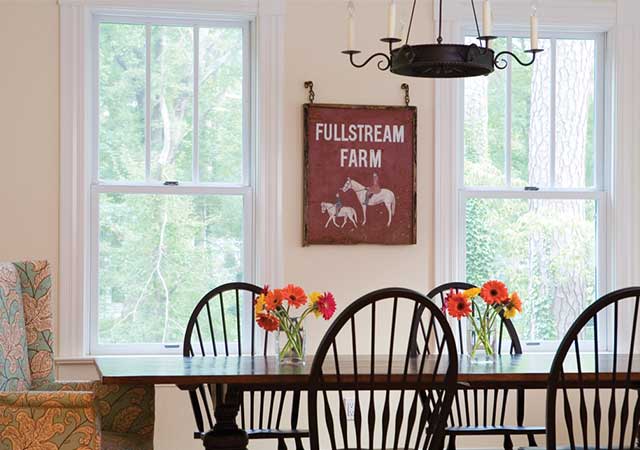
A thoughtful window replacement Tigard, OR project can change how well-proportioned, current, and cared-for a home appears from the street. Windows create visual rhythm across the front of a house. Their size, shape, frame width, and arrangement all affect whether the façade feels balanced or disjointed.
The goal is not to copy a passing trend. A narrow-frame contemporary window may suit a newer home, while a traditional home may look better with divided lites, balanced double-hung units, or modest grille patterns. The strongest result respects the roofline, siding, trim, and existing opening sizes.
Windows also signal upkeep. Cloudy glass, warped frames, faded finishes, or uneven sash lines can make an otherwise maintained home look tired. Replacing them can sharpen the home’s appearance while addressing performance concerns that may affect the wall around each opening.
For a closer look at the protective role windows play beyond appearance, read how window replacement helps protect your home interior.
Which Window Styles Can Refresh a Home’s Look?
Before selecting a style, look at the whole elevation instead of one opening at a time. A window that looks appealing by itself can feel out of scale once it is repeated across the home.
- Double-hung windows: These fit many traditional and transitional homes. Their stacked sash layout creates a familiar, orderly look that works well when the front of the house already has vertical proportions.
- Single-hung windows: Similar in appearance to double-hung units, these can maintain a classic façade while simplifying the operating layout.
- Casement windows: Hinged at the side, casements often have a broad glass area and a more tailored appearance. They can complement contemporary homes, ranch homes, and updated traditional designs.
- Sliding windows: Horizontal sliders suit wide openings and low-profile architectural lines. They are often a sensible visual match for mid-century and ranch-style homes.
- Picture windows: Fixed windows create a clean, uninterrupted glass area. Used at a focal point, such as a front living room, they can make the façade feel more open without adding a busy sash pattern.
- Awning windows: Hinged at the top, these are usually paired with larger fixed units or placed in shorter openings. Their horizontal shape can add a modern detail when it matches surrounding window lines.
How Do Frame Materials and Finishes Affect Exterior Style?
Frame material is not only a performance decision. Its profile, surface texture, and available colors influence whether a new window looks crisp, traditional, bold, or understated. A thicker frame can give an opening more visual presence, while a slimmer profile may create a more contemporary glass-forward look.
Color should connect with established features rather than compete with them. White frames can brighten darker siding and trim, while dark frames can outline openings and create contrast. A dark frame repeated on only one side of the home, however, may look accidental if nearby windows remain light-colored.
Grilles deserve the same level of attention. Colonial-style patterns can reinforce a traditional design, while simple perimeter grilles or no grilles at all can better suit modern lines. Hardware is less visible from the street, but its finish should still make sense with the window’s overall style and the home’s other details.
Can New Windows Improve Curb Appeal Without Changing the Home’s Character?
Yes, but the update needs visual discipline. Modernizing a home does not require turning every opening into a different window type.
- Keep the main window alignment. Where windows line up across a wall, preserve that relationship. Shifting visual heights or mixing unrelated shapes can make the house feel uneven.
- Match proportions before copying details. A replacement unit does not need to duplicate every original feature, but its width-to-height ratio should make sense in the opening.
- Coordinate trim and frame colors. Window frames should relate to siding, entry doors, roof tones, and existing trim. Too many competing colors can make individual upgrades look disconnected.
- Use special shapes sparingly. A bay, bow, or large picture unit can become a focal point. Adding them randomly around the home often disrupts the original composition.
- Avoid mixing grille styles. If the front windows use divided lites, a grille-free replacement in the same sightline can stand out more than expected.
Ignoring mismatched arrangements may create a result that looks patched together, even when every individual unit is new. Correcting that later can mean replacing units that still function, simply because the overall design was not considered at the start.
What Should Homeowners Consider Before Scheduling Window Replacement?
- Assess the existing units and surrounding openings. Look for failed seals, difficult operation, frame movement, visible moisture staining, or deteriorated trim. These signs help define the scope of the project.
- Set your first priority. Decide whether the main goal is a more current appearance, improved operation, reduced drafts, quieter rooms, or a combination. Priorities guide style and feature decisions.
- Review the home from the street. Take straight-on photos of each side. This makes uneven spacing, inconsistent grille patterns, and color conflicts easier to spot than viewing one window at a time.
- Confirm accurate measurements. Replacement windows are ordered to fit actual openings. Measurement affects sightlines, glass area, trim details, and how the unit integrates with the wall.
- Consider neighborhood character without copying it. A home can look updated while still fitting nearby architectural styles. The best choice usually feels intentional, not dramatically out of place.
- Ask detailed installation questions. Ask how the existing unit will be removed, how the opening will be inspected, what happens if hidden deterioration is found, and how trim and weather protection will be handled.
- Plan around weather and access. Window work involves access to both sides of an opening. Clear space near windows, account for landscaping, and discuss how the work area will be managed.
If you are sorting through styles and design details, Advanced Energy Services can help you evaluate the existing layout before you commit to a direction.
How Can You Compare Window Replacement Options with Confidence?
Use the same criteria for every proposal so you are comparing complete projects, not just attractive product descriptions.
- Window configuration: Confirm the operating style, sightlines, grille layout, and glass area for every opening, especially where front-facing windows create the strongest visual impact.
- Frame appearance: Review physical color and finish samples near your siding and trim. Screens and online images do not always show undertones accurately.
- Installation scope: Ask what trim, flashing, sealing, and opening preparation are included. The window and the installation work as one system.
- Product details: Compare glass packages, frame construction, operating hardware, and available finish choices based on the needs of your home, not a one-size-fits-all recommendation.
- Questions for the provider: Ask who takes final measurements, what the installation sequence will be, how unexpected opening conditions are addressed, and what documentation comes with the completed work.
When weighing window replacement Tigard, OR, bring the appearance, fit, performance needs, and installation plan together before choosing. Contact us to explore your window replacement options and get guidance on window styles that suit your home. Call Advanced Energy Services at (503) 563-6866.