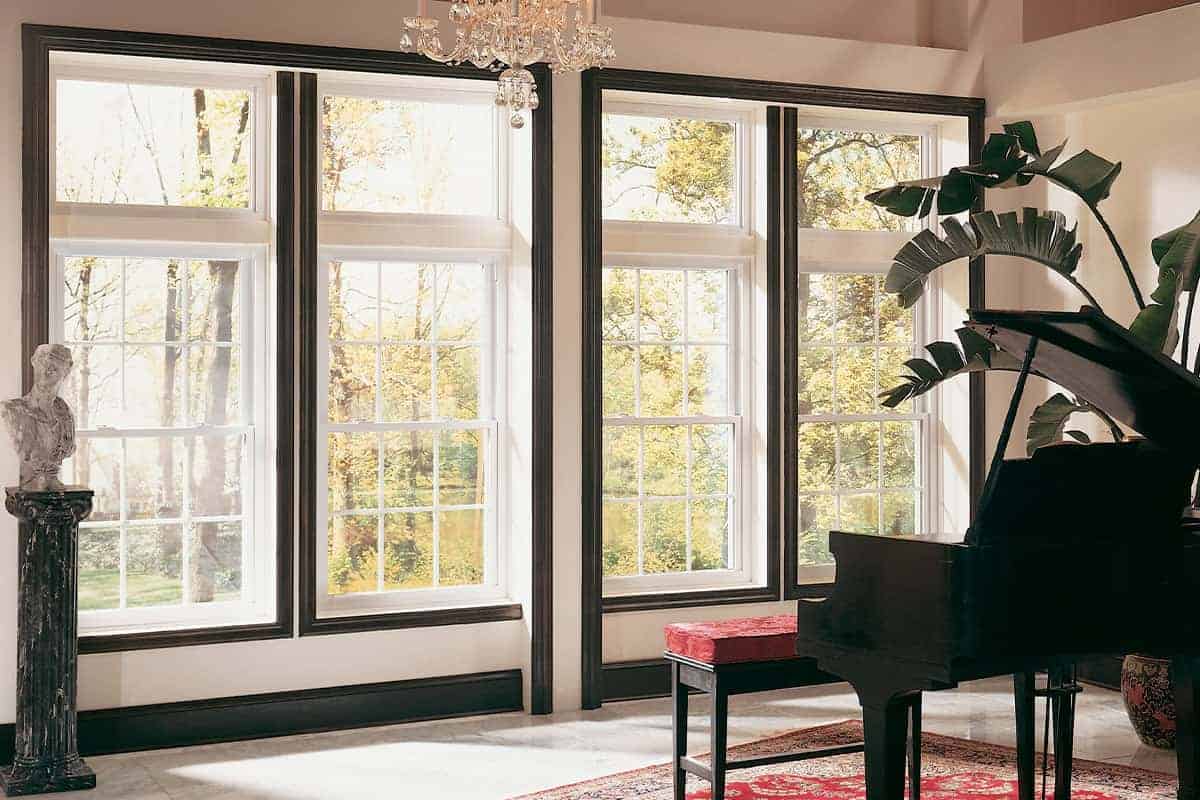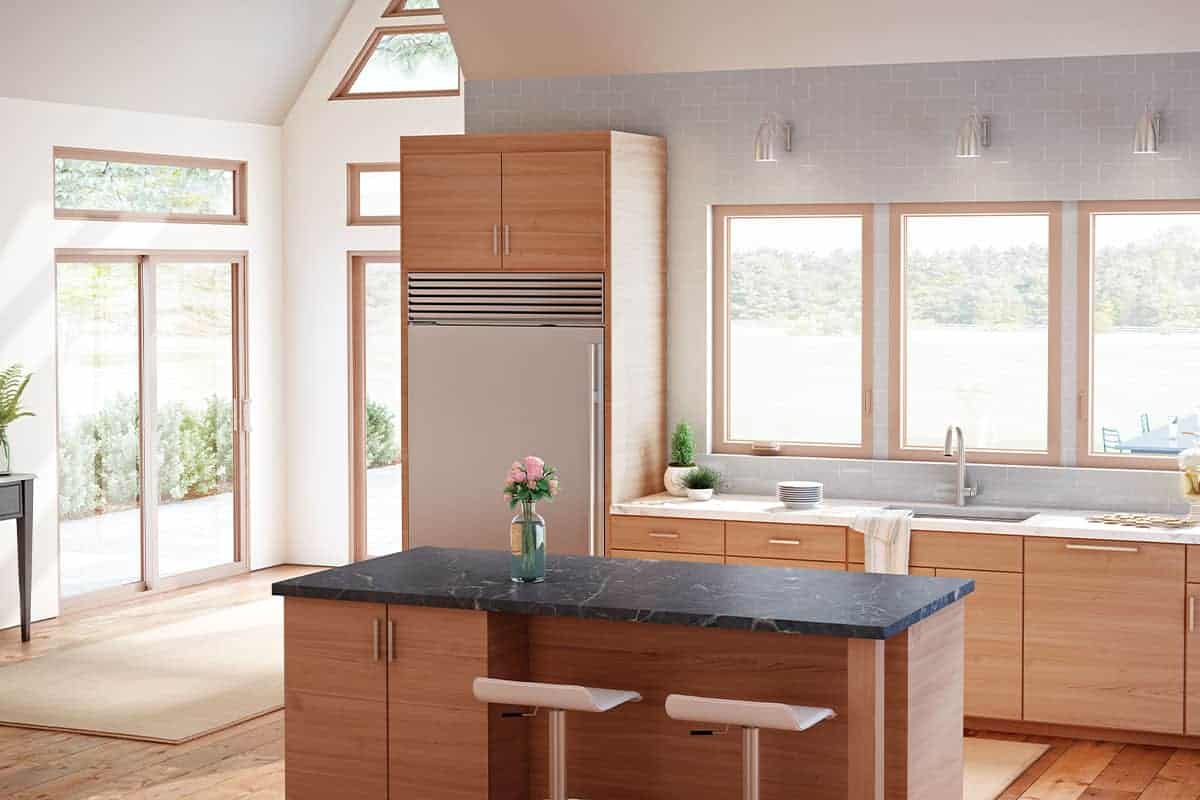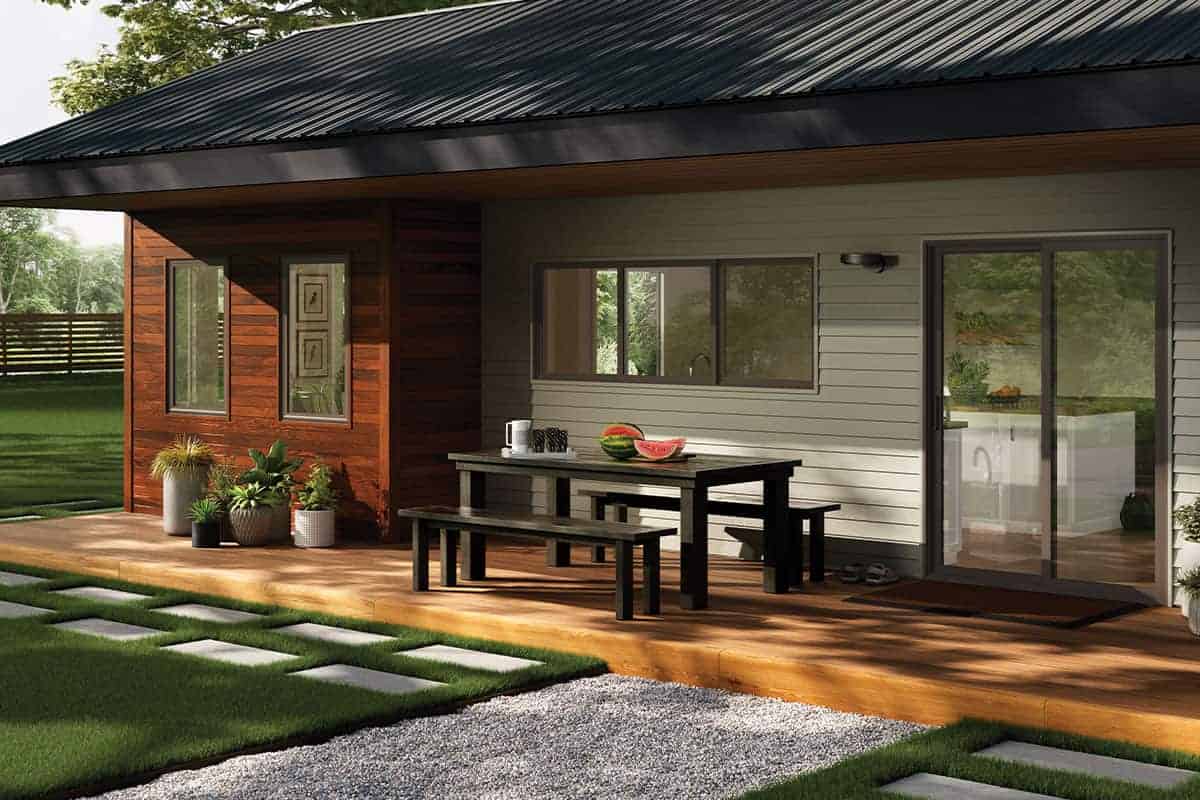
Homeowners researching window replacement Tigard, OR often discover that windows play a major role in overall insulation. A well-insulated home depends on barriers that reduce heat transfer and maintain comfortable indoor temperatures. Over time, older window systems may lose their ability to support energy efficiency, making it important to recognize when an upgrade may be beneficial.
Drafts as an Early Warning Sign
One of the most noticeable signs of declining insulation is the presence of drafts near windows. Even small airflow changes can affect comfort, especially during colder months. When indoor spaces feel breezy or certain rooms seem harder to keep warm, it may indicate that window performance is no longer supporting proper insulation.
Uneven Indoor Temperatures in Living Spaces
Temperature differences from one room to another can suggest insulation challenges. If one area of the home feels significantly warmer or cooler, windows may be contributing to heat loss or heat gain. Modern window solutions are designed to promote balanced indoor temperatures, helping households stay comfortable throughout the year.
Increased Energy Use Throughout the Year
When insulation weakens, heating and cooling systems often work harder to maintain stable conditions. This can lead to higher energy use over time. Updated window systems provide stronger thermal resistance, helping reduce wasted energy and supporting more efficient daily operation of climate control equipment.
Condensation and Moisture Build Up Indoors
Frequent condensation on window surfaces may also point to reduced insulating ability. When indoor air meets a colder surface, moisture can collect more easily. Modern window technology helps maintain steadier surface temperatures, which supports better indoor humidity balance and improves overall comfort.
Noise Levels and Added Indoor Comfort
Insulation is not only about temperature, but it also influences sound control. If outside noise becomes more noticeable, it may reflect reduced window effectiveness. Upgraded window designs often provide improved sound reduction, creating a quieter and more comfortable indoor environment while also supporting energy efficiency.
Aging Materials and Declining Efficiency
As windows age, seals and framing materials naturally lose strength. Older designs may not meet modern insulation expectations, allowing more heat transfer than newer options. Recognizing the impact of aging windows helps homeowners decide when an upgrade could provide long-term comfort improvements.
Seasonal Discomfort During Summer and Winter
Many homeowners begin considering window upgrades when seasonal comfort becomes harder to maintain. Indoor spaces that feel too chilly in winter or overly warm in summer may signal insulation limitations. Modern windows are built to reduce temperature swings, supporting consistent comfort across all seasons.
Supporting Long-Term Home Efficiency Goals
Better insulation contributes to long-term energy savings and sustainability. Modern window systems help reduce unnecessary energy demand by improving the home’s thermal barrier. This supports not only everyday comfort but also broader efficiency goals for homeowners looking to reduce energy waste.
Making the Right Choice at the Right Time
Knowing when insulation performance has declined helps homeowners take proactive steps. If drafts, uneven temperatures, moisture concerns, or comfort challenges persist, it may be time to explore window replacement Tigard, OR for improved insulation. To learn more about how upgraded windows can enhance comfort and efficiency, reach out to us today, Advanced Energy Services and ask readers to know more about our service.