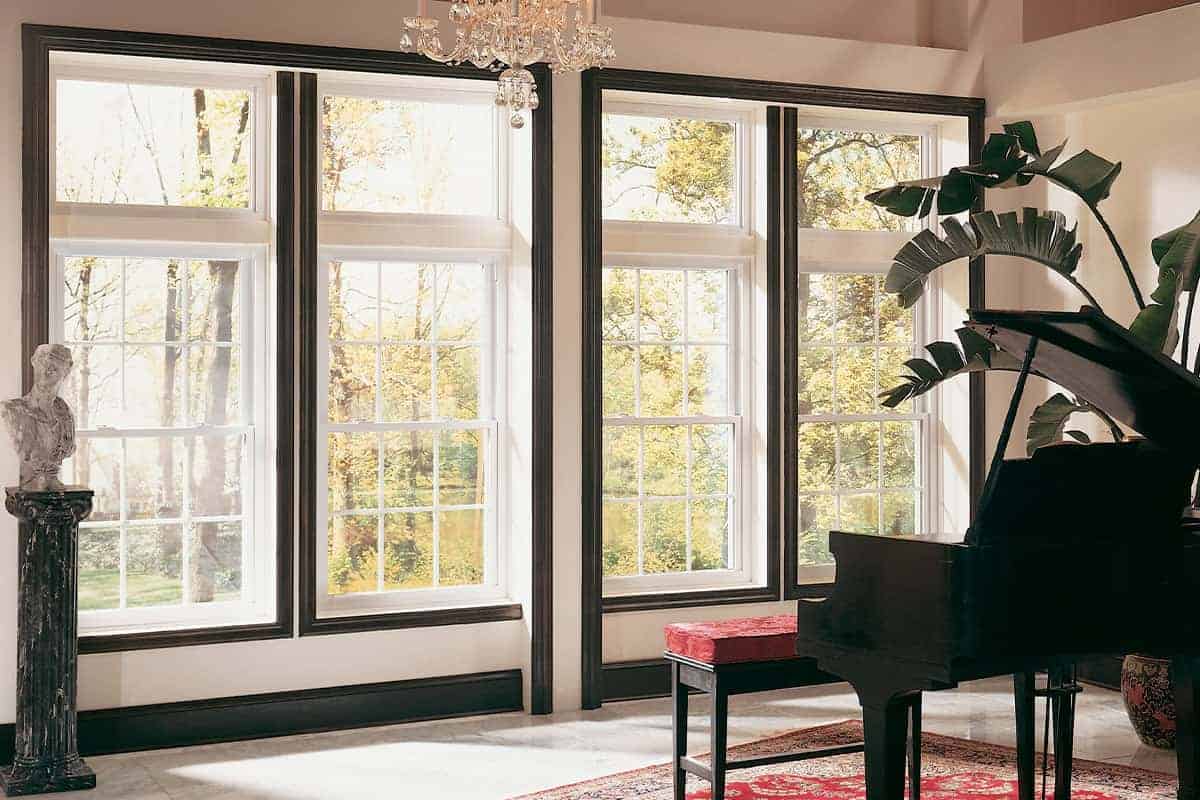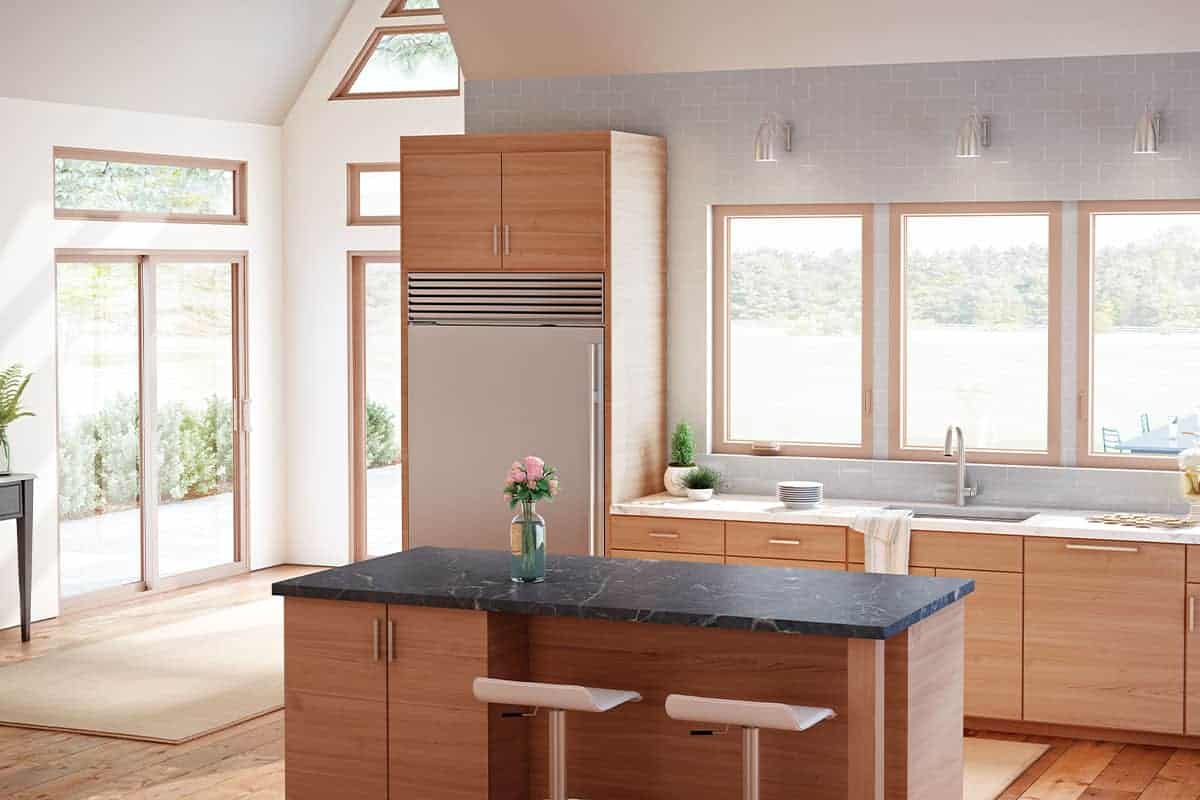
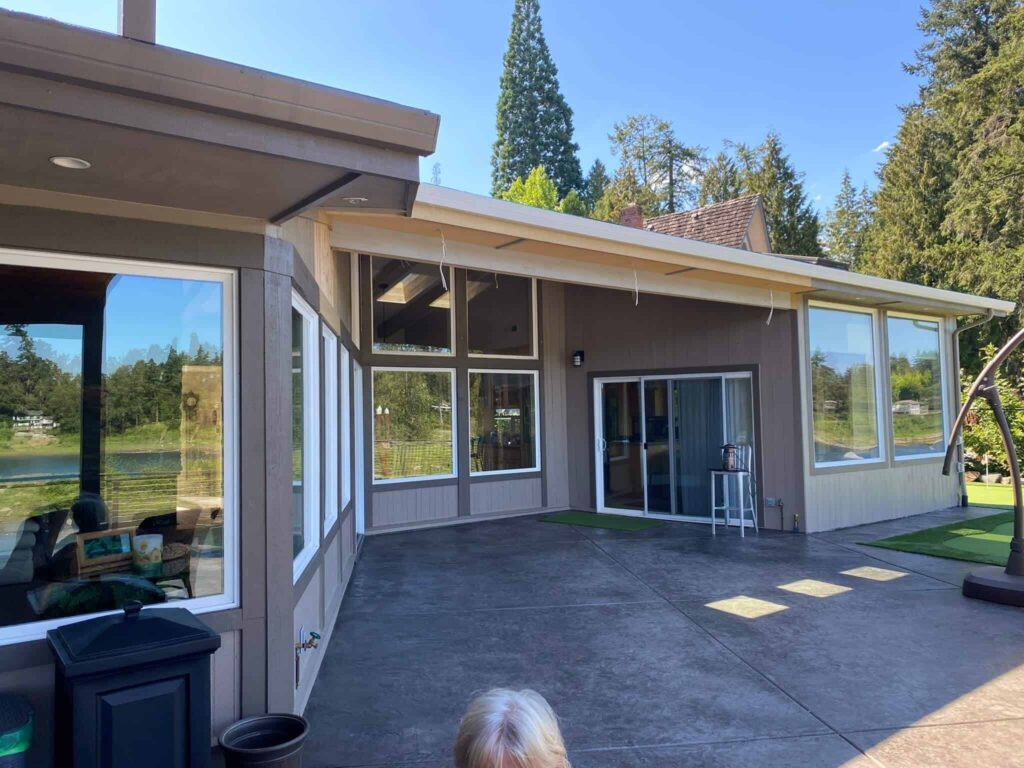
window replacement Beaverton, OR is often worth considering when a room feels uncomfortable even though the heating and cooling system is running normally. Cold air near the glass, hot spots in sunny rooms, street noise, and windows that stick can limit how you use a space every day.
A window is part of the home’s thermal boundary, meaning it helps separate conditioned indoor air from changing outdoor conditions. When its frame, glass, seals, or surrounding opening no longer perform well, the discomfort is usually felt first near the window and then throughout the room.
Vinyl replacement windows can be a good fit for Beaverton homes when they are selected for the room, not simply chosen from a display. The right unit should match the opening accurately, operate reliably, and use glass suited to the direction that room faces.
Vinyl Windows Are Only a Budget Choice
Vinyl is sometimes treated as a basic material, but that overlooks the details that affect daily performance. Vinyl frames can differ in chamber design, reinforcement, weatherseals, drainage paths, sash construction, and hardware quality.
A lower-grade frame may flex more or provide fewer sealing surfaces. A more thoughtfully built unit may feel tighter in use and maintain better contact between the sash and frame. Neither label alone tells the full story.
Look at the entire assembly: frame construction, glass package, screen fit, locking points, operating style, and the condition of the opening where it will be installed. A well-chosen vinyl window should suit how the room is used, whether that means a quiet bedroom, a sunny family room, or a kitchen window opened often.
If several improvements are being planned around the same time, review these small home upgrades that pair well with window replacement before finalizing the scope.
New Windows Automatically Eliminate Drafts and Temperature Swings
A new window can improve comfort, but it cannot overcome every source of air movement or uneven temperature by itself. The existing opening may have gaps, worn materials around the frame, moisture damage, or framing that needs attention before a replacement window is set.
Measurement matters because a unit that is too small, too large, or poorly aligned may not seal or operate as intended. Installation details also matter, including how the window is supported, insulated around the frame, flashed, and sealed against water and air movement.
Ignoring a persistent draft or soft, stained material around a window can allow the issue to spread into the wall area. Waiting may turn a straightforward replacement decision into a larger project involving hidden moisture damage or deteriorated framing.
Ask for an in-home evaluation that considers the window opening, not just the visible glass and frame.
All Vinyl Window Glass Performs the Same
Glass has a major effect on how a room feels near the window. The right setup depends on sun exposure, room use, existing shade, and whether the concern is winter chill, summer heat, glare, or sound.
- Pane Configuration: Multiple panes create insulating air spaces that can reduce heat transfer compared with a single pane.
- Low-Emissivity Coatings: Low-E coatings are thin, nearly invisible layers that help manage radiant heat moving through the glass. Their performance can vary, so the best choice for strong afternoon sun may differ from the best choice for a shaded room.
- Gas Fills: Some insulated glass units use gas between panes to improve insulation. This is one part of the glass system, not a substitute for proper frame fit and installation.
- Warm-Edge Spacers: A spacer separates the panes around the glass perimeter. Its design can influence the temperature at the edge of the glass, where discomfort and condensation are often noticed first.
- Room Orientation: West- and south-facing rooms may need more help controlling solar heat. North-facing rooms may feel cooler near the glass, especially during colder months.
Discuss each room individually rather than applying one glass package everywhere.
Condensation Always Means the Window Has Failed
Condensation forms when moist indoor air touches a surface that is cool enough for water vapor to turn into droplets. It may appear on the room-side glass during cold weather when indoor humidity is high, especially in kitchens, bathrooms, laundry areas, or tightly closed homes.
That does not automatically mean the window has failed. However, moisture between panes can point to a compromised insulated glass seal, and recurring water around the frame, damaged finishes, or persistent fogging deserve professional evaluation.
Pay attention to where the moisture appears and when it occurs. That pattern offers more useful information than assuming every instance has the same cause.
Window Replacement Is Only Worth Considering When a Pane Breaks
Broken glass is an obvious reason to act, but many replacement decisions start with performance problems that build slowly.
- Difficult operation: A sash that will not open, close, or lock normally can affect ventilation and safety.
- Visible wear: Warped frames, failing seals, damaged hardware, or peeling interior finishes may signal more than a surface issue.
- Recurring drafts: If the same rooms feel cold or hot near the windows season after season, the assembly deserves a closer look.
- Persistent noise: A window upgrade may help reduce unwanted sound, though results depend on glass construction, frame design, and air sealing.
- Changing room needs: A home office, nursery, bedroom, or frequently used living area may need better temperature control than it did years ago.
Questions to Ask Before Choosing Vinyl Replacement Windows
Before committing, use the consultation to get specific answers.
- Comfort priorities: Which rooms feel cold, warm, noisy, or drafty, and during what conditions?
- Window selection: Which operating style and frame construction fit the opening and how the window will be used?
- Glass recommendation: Why is a particular glass configuration recommended for each room’s orientation?
- Opening condition: What will be checked around the existing frame before installation begins?
- Installation approach: How will the new unit be measured, secured, insulated, and sealed?
- Maintenance needs: What routine care helps the hardware, tracks, and weep paths continue working properly?
- Warranty information: What product and installation coverage is available, and what steps are needed if an issue arises?
Weigh the Whole Window System Together
Lasting comfort comes from the combined performance of the frame, glass, opening, and installation, not from one feature on a brochure. For window replacement Beaverton, OR, weigh the room’s conditions alongside the window’s construction and the installer’s approach. Advanced Energy Services can help you discuss those details and choose a practical direction for your home. Contact us to discuss your window replacement needs and call (503) 563-6866 to schedule a conversation.